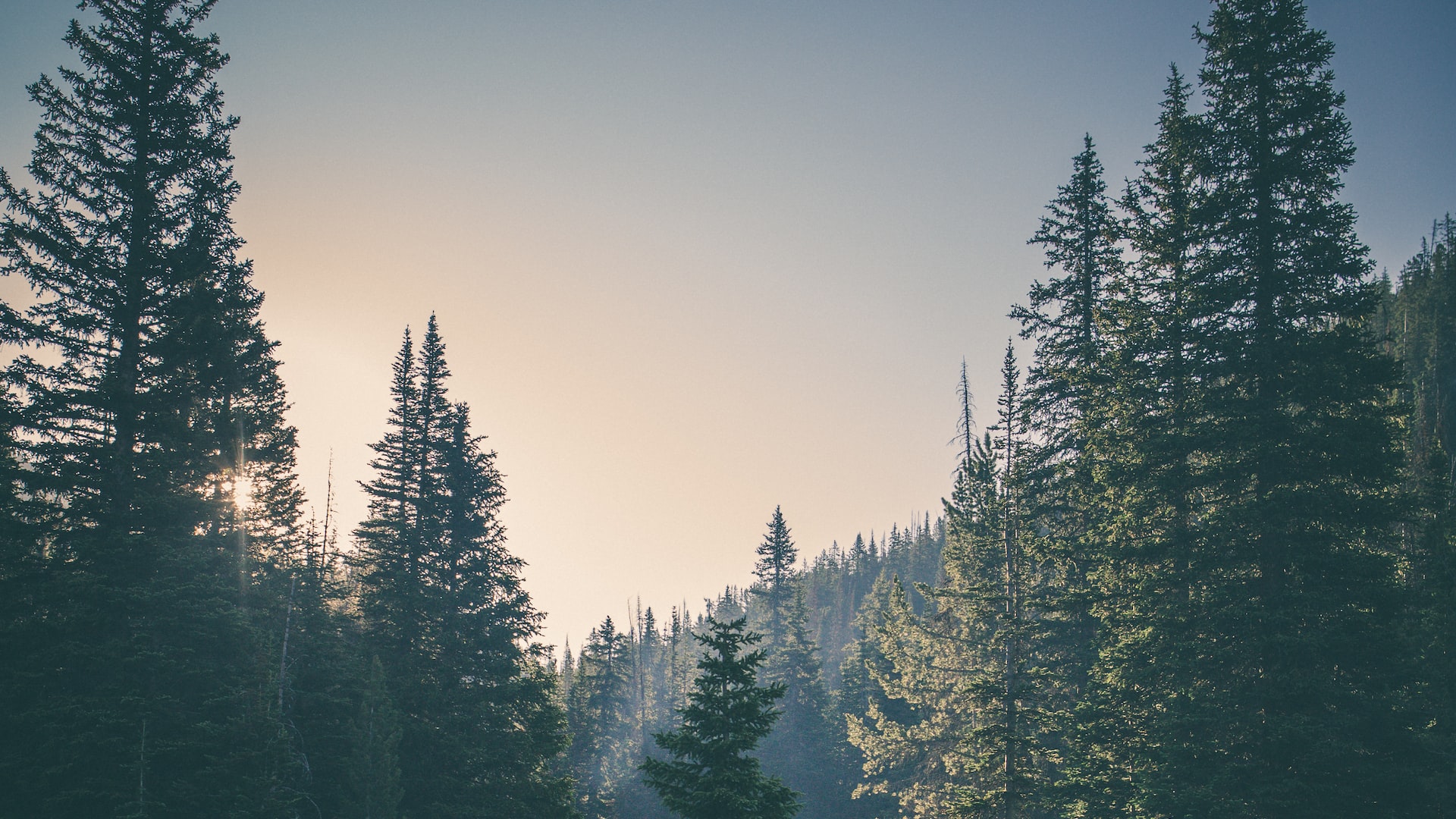
A favourite tree can become part of a property’s identity. It shades the kitchen window, frames the front gate and gives summer gatherings a comfortable place to unfold. For a small business, established trees can soften a car park or make an otherwise ordinary entrance feel welcoming.
Yet trees do not stand still. Roots spread, branches gain weight and yesterday’s manageable sapling can become today’s awkward neighbour to a roof, driveway or power line. The challenge is knowing when a tree needs thoughtful maintenance and when keeping it creates more problems than it solves.
For homeowners and business operators in Palmerston North, good tree care begins with understanding those choices. Palmerston North Tree Removal is a local company to approach for Palmerston North tree felling services and advice, as well as tree cutting, trimming and pruning. Whether the concern is a damaged limb or a tree that has outgrown its setting, the most useful first step is a clear assessment rather than an automatic decision to cut everything back.
When Palmerston North tree felling Becomes Worth Considering
Removing a tree can feel like a drastic change, especially when it has been part of a garden for years. Sometimes, however, removal is the most practical way to protect the surrounding space and make it usable again.
A tree may be poorly positioned, structurally compromised or incompatible with future plans for the property. Large roots beside paving, branches repeatedly contacting buildings and significant storm damage can all justify closer investigation.
None of these signs, on its own, tells the whole story. A leaning trunk is not necessarily about to fall, while a leafy canopy does not guarantee sound internal wood. An arborist can help distinguish an inconvenient tree from one presenting a more serious concern.
Signs that deserve a closer look
Arrange an assessment if you notice changes such as:
- A new lean or movement in the ground around the trunk.
- Large cracks, split branch unions or hanging limbs.
- Dead sections appearing throughout the canopy.
- Fungal growth near the base alongside other signs of decline.
- Branches striking a roof or obstructing safe access.
- Damage following strong winds.
Keep people away from an area if there is an immediate concern about falling material. Trees near electricity lines require particular caution and coordination with the relevant electricity network.
Choosing Care Before Choosing Removal
The best tree services are not simply about making a tree smaller. They are about matching the work to the tree’s condition, the available space and the way a property is used.
A garden tree shading a bedroom needs a different approach from a roadside specimen above customer parking. Equally, a young tree with an awkward branch arrangement may benefit from modest early intervention rather than extensive cutting later.
When speaking with Palmerston North Tree Removal, explain the outcome you want. More daylight, safer access and reduced contact with buildings are useful objectives. “Cut it right back” is less helpful because it describes an action without identifying the problem.
Tree trimming and tree pruning
People often use these terms interchangeably, but they can describe different priorities.
Tree trimming commonly refers to controlling growth for clearance, shape or appearance. It might involve keeping branches away from a sign, opening up a pathway or maintaining the outline of a regularly managed tree.
Tree pruning is generally more selective. It can address deadwood, crossing branches, structural development or particular growth issues. Suitable cuts take account of species, branch attachment, tree health and the amount of foliage being removed.
Both require judgement. Excessive foliage removal can stress a tree, and badly placed cuts can create lasting defects.
Why tree lopping needs careful discussion
Tree lopping is a familiar phrase, but it often describes heavy, indiscriminate cutting rather than a defined arboricultural objective. Removing large sections of a canopy may appear to solve a size problem quickly, yet it can encourage vigorous regrowth and leave substantial wounds.
Ask what the proposed work will achieve and how the tree is likely to respond. A considered reduction or selective pruning plan may be more appropriate. In some situations, removal followed by planting a better-suited species offers a more sustainable result than repeated severe cutting.
Understanding the Person Behind the Saw
The terminology around tree work can be confusing. You may hear arborist, tree arborist or tree surgeon used when discussing someone who assesses and works on trees.
Whatever label appears in a conversation, focus on the person’s relevant training, experience and approach to the particular job. Working on a small ornamental tree is very different from dismantling a large tree above a garage.
A useful discussion should cover the proposed method, access requirements, nearby hazards and what will happen to the cut material. Ask about insurance and any permissions or restrictions that may apply.
Questions worth asking before accepting a quote
A written quote becomes much easier to compare when it explains:
- Which tree or branches are included.
- Whether the work involves pruning, full removal or another defined outcome.
- How nearby buildings, fences and planted areas will be managed.
- Whether branches, logs and wood chips will be removed or retained.
- Whether stump work is included or needs separate arrangements.
- What access and preparation the property owner must provide.
Price matters, but scope matters just as much. Two quotes can look very different simply because one includes debris removal and the other does not.
Making Tree Removal Work on a Busy Property
Tree removal is rarely just a matter of cutting through a trunk. In a residential setting, the space below may contain glasshouses, sheds, washing lines, fences and carefully planted borders. At a business premises, there may also be staff, deliveries and customers to consider.
Where there is insufficient room for a tree to fall intact, sectional dismantling may be appropriate. This involves taking the tree apart in manageable sections using methods suited to the site.
The practical details are worth discussing early. Can equipment reach the work area? Is there a narrow side passage? Will parked vehicles need moving? Could work affect a neighbouring property?
Keeping disruption manageable
Before the agreed workday, a few preparations can make a difference:
- Move vehicles, outdoor furniture and portable garden items.
- Keep pets and children away from the work zone.
- Tell staff or household members which areas will be unavailable.
- Discuss shared driveways and boundary access in advance.
- Agree where any retained timber or mulch should be placed.
For small businesses, timing can be as important as technique. Ask whether the work can be planned around customer arrivals, deliveries or other busy periods without compromising safety.
Branch Work Can Make a Significant Difference
Not every concern calls for an entire tree to disappear. Tree branch removal may solve a specific problem while preserving much of the canopy and character.
For example, a damaged branch above a seating area may need attention even when the rest of the tree remains sound. Tree limb removal can also be considered where a substantial limb has failed or has a defect requiring assessment.
However, removing a large limb changes weight distribution and creates a wound. The decision should consider the whole tree, not just the branch that is inconvenient.
Small cuts are not automatically simple cuts
A branch can behave unpredictably when released, especially if it is under tension or tangled with surrounding growth. Ladders, overhead cutting and power tools add further hazards.
Professional tree cutting is particularly valuable where branches are high, heavy or close to buildings and services. The apparent size of a job from the ground does not reliably indicate its difficulty.
Palm Trees Need Their Own Plan
Palms bring a distinctive shape to a garden, but their maintenance and removal requirements differ from those of many branching trees.
Old fronds can be heavy, and some species have sharp or difficult-to-handle material. Height, trunk characteristics and restricted access can further complicate palm tree removal.
If a palm has become unsuitable for its position, ask for advice based on its species and surroundings. Establish whether the proposed quote covers the trunk, fronds, debris and any stump-related work. Do not assume a palm can be handled in the same way as a nearby broadleaf tree.
Clearing Space Without Losing the Plot
Land clearing may form part of a new build, an extension, a garden redesign or an effort to reclaim an overgrown section. The temptation is to treat everything green as an obstacle, but selective planning often creates a better result.
Identify useful trees before clearance begins. An established tree in the right place can provide shade, privacy and a sense of maturity that takes years to replace.
Check local requirements before removing potentially protected trees or vegetation. Boundary questions, neighbouring interests and ecological considerations may also need attention.
For a larger project, ask Palmerston North Tree Removal which parts of the proposed work fall within its scope and whether any additional contractors will be needed.
Responding Calmly After Storm Damage
Strong winds can leave a property looking alarming. Fallen branches are obvious; partially detached limbs and newly damaged branch unions may be harder to spot.
If you suspect an immediate hazard, keep clear. Do not walk beneath damaged branches to inspect them more closely, and never approach fallen or damaged electricity lines. Contact emergency services or the electricity provider when the situation requires it.
For emergency tree removal, explain what has happened, whether anyone is at risk and whether buildings or access routes are affected. Confirm availability and response arrangements directly rather than assuming a particular service operates around the clock.
Photographs taken from a safe location may help with an initial conversation, but they cannot replace an on-site assessment.
Frequently Asked Questions
Is pruning always cheaper than removing a tree?
Not necessarily. Cost depends on access, height, complexity, equipment and the work involved. Repeated major pruning can also become expensive over time. Compare options according to the long-term outcome, not just the first invoice.
Does a tree removal service usually include the stump?
Not automatically. Cutting down a tree and removing or grinding its stump are separate tasks. Ask what is included and explain whether you intend to replant, pave or build in that location.
Can work take place close to a property boundary?
Possibly, but access, ownership and the effects on neighbouring land need consideration. Discuss boundaries clearly and obtain any necessary agreement before work begins.
What should happen to the wood and branches?
That depends on the agreed scope. Some owners want suitable timber retained or wood chips left for garden use. Others need everything taken away. Confirm quantities, placement and removal arrangements before work starts.
Where can I find out more about the company?
The Palmerston North Tree Removal website is a starting point for exploring its tree removal, cutting, trimming and pruning services. Contact the company directly to discuss your site and confirm current service details.
Give Your Outdoor Space a Clearer Future
Good tree care balances what a property needs today with what will serve it well in years to come. Sometimes that means preserving a valuable tree through selective pruning. Sometimes it means removing a poorly placed or damaged specimen and starting again with a more suitable planting choice.
For Palmerston North residents and business owners, the key is to turn a vague concern into a well-defined plan. Identify the problem, seek an informed assessment and make sure the agreed work is clear.
A conversation with Palmerston North Tree Removal can help establish the next practical step, whether the aim is a safer driveway, a brighter garden or more dependable access around a workplace. The right decision is not always the biggest cut. It is the one that suits the tree, the site and the people who use it.