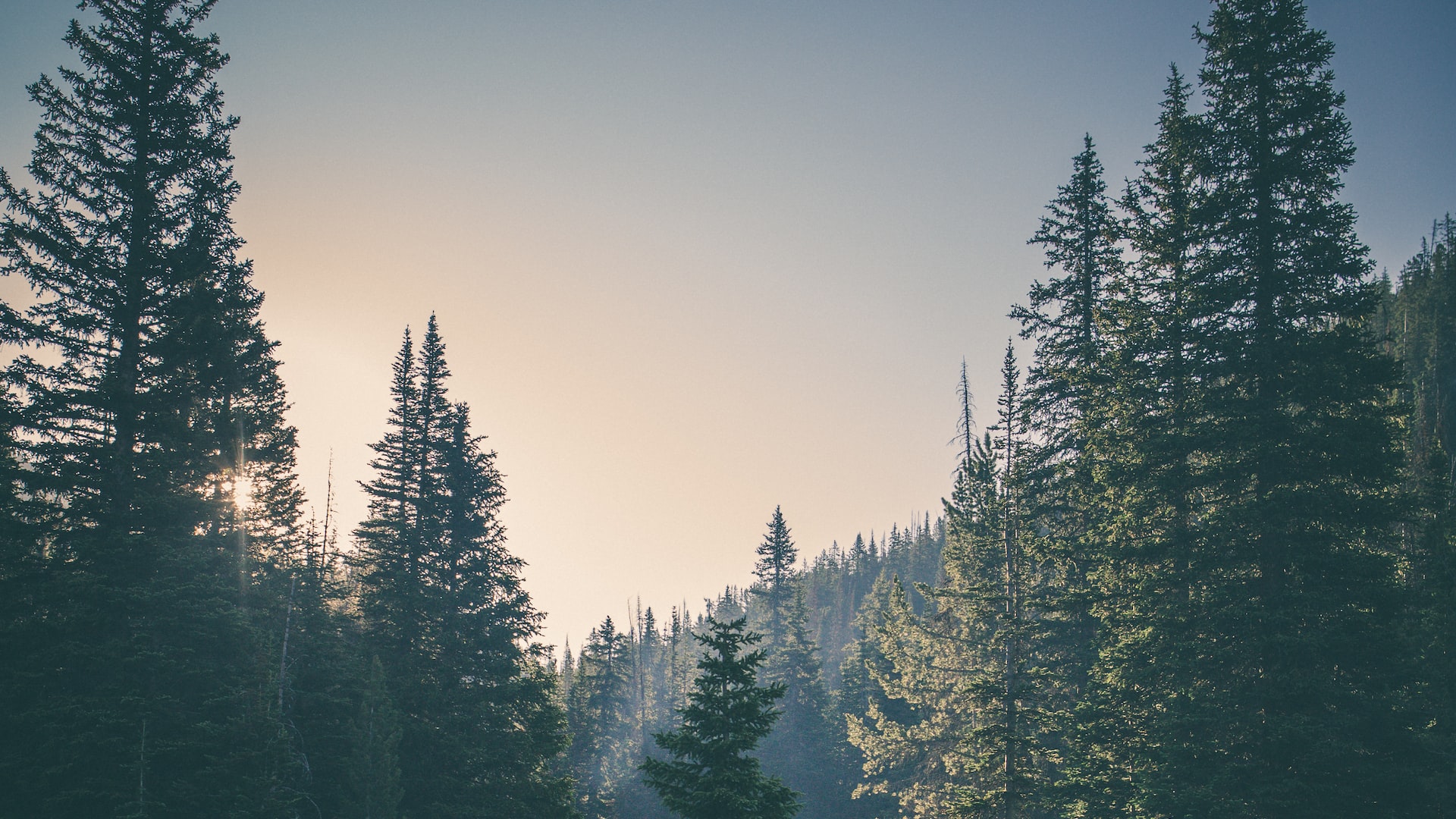
A mature tree can make a property feel settled long before the garden beds are finished. It offers shade over the lawn, frames a favourite view and brings birds close enough to watch from the kitchen window. Yet the same tree can become a source of worry when branches scrape the roof, storm damage appears or the driveway starts feeling more like a leafy tunnel.
For homeowners and small businesses in Fitzherbert, managing trees is often a balancing act. You want the greenery without blocked access, avoidable hazards or heavy shade where sunlight would be welcome. The answer is not always to cut more. Often, it is to understand the tree better.
Palmerston North Arborist is a local company to consider for tree removal services, tree cutting, trimming and pruning in Palmerston North. Whether you need professional tree lopping Fitzherbert property owners can rely on or help with a larger property tidy-up, a clear brief and a careful assessment help turn an anxious maintenance decision into a practical plan.
Understanding tree lopping in Fitzherbert
The word “lopping” is often used casually to describe almost any substantial tree cutting. In professional tree care, however, the type of cut matters. Removing large sections indiscriminately can leave a tree with an unbalanced structure, exposed wounds and vigorous new growth that may be weakly attached.
That distinction is important when you are asking for quotes. You might describe the problem as a tree that needs lopping, while an arborist may recommend selective pruning, crown reduction or removal instead.
The useful starting point is the result you need. Are branches touching a building? Is a tree blocking vehicle access? Has a limb split? Does an outdoor seating area need more light?
Explaining the problem gives a tree professional room to recommend a suitable solution rather than simply cutting to an arbitrary height.
Start with the tree rather than the chainsaw
A tree is a living structure, not a hedge that can always be reshaped at will. Its species, age, condition and previous pruning all influence how it may respond to further work.
A site assessment can also identify practical constraints. Nearby buildings, fences, overhead services, parked cars and neighbouring gardens may affect how branches can be lowered and removed.
For property owners, this is where professional judgement earns its place. The neatest-looking shortcut is not necessarily the best long-term treatment.
Choosing the Right Kind of Tree Care
Tree services cover several different tasks, and knowing the differences makes it easier to discuss what your property needs.
Tree trimming for clearance and everyday usability
Tree trimming commonly addresses branches that interfere with how a space is used. That might mean improving clearance over a footpath, keeping foliage away from a building or opening access to a parking area.
For a small business, these details can influence the daily experience of staff and customers. Branches obscuring signage or crowding an entrance may be a nuisance even when the tree itself is healthy.
At home, a modest amount of well-planned trimming may make a garden easier to move through without losing its leafy character.
Tree pruning for structure and health
Tree pruning is more than reducing size. Depending on the tree, it may involve removing dead or damaged wood, addressing crossing branches or improving the structure of a young tree.
Good pruning has a purpose. Each cut should contribute to an agreed outcome while avoiding unnecessary loss of healthy canopy.
Timing also deserves attention. Different species and circumstances call for different approaches, so a single seasonal rule will not suit every tree on a Palmerston North property.
Tree branch removal for a specific problem
Sometimes the issue is one branch rather than the whole tree. A limb hanging above a shed, a damaged branch over a driveway or growth rubbing against guttering may call for targeted tree branch removal.
However, removing one large limb can affect balance, appearance and future growth. A tree arborist should consider the whole structure before treating the obvious problem in isolation.
When Tree Removal Makes More Sense
Keeping a tree is often desirable, but preservation is not always the most practical or safest option. Tree removal may be worth considering when a tree is dead, substantially compromised, badly positioned or incompatible with an approved property project.
The decision should reflect its condition and surroundings rather than its size alone. A large, sound tree may be manageable, while a smaller tree with a serious structural defect could need urgent attention.
Questions to ask before committing
Before booking a tree removal service, ask for a clear explanation of the recommendation and the proposed scope.
Useful questions include:
- Could pruning reasonably address the problem?
- Are there visible defects or signs that need further investigation?
- How will nearby structures and planting be protected?
- Does the quote include cutting, debris removal and a final tidy-up?
- Will the stump remain, or is stump treatment a separate task?
- Are permissions or checks needed before work begins?
Written details reduce misunderstandings. “Remove the tree” can mean different things when it comes to logs, mulch, surface roots and the stump left behind.
Check restrictions before work begins
Do not assume every tree on private land can be removed without checking. Relevant council rules, property conditions or protections may apply.
If a tree is near a boundary, establish ownership and discuss access before arranging work. Where electricity lines are involved, contact the network operator and use appropriately authorised professionals. Ordinary garden maintenance methods are not suitable for work near live lines.
Making Space Without Stripping the Property Bare
Land clearing can sound like an all-or-nothing exercise, but thoughtful planning often produces a more useful result than removing everything at once.
A homeowner might need room for a garage or a more accessible garden. A business owner may want to improve a service yard or reclaim an overgrown section beside a building.
Before clearing starts, identify what should stay. Established trees can provide privacy, shelter and a visual connection with the surrounding neighbourhood.
A practical sequence for larger projects
A staged approach can help keep the work focused:
- Mark the areas needed for access, construction or everyday use.
- Identify trees and planting worth retaining.
- Check boundaries, services and any applicable restrictions.
- Agree on removal methods and waste handling.
- Plan how exposed ground will be stabilised or replanted.
This approach also helps avoid paying to remove vegetation that could have become an asset in the finished landscape.
Palm Trees Need Their Own Assessment
Palm tree removal can involve different practical considerations from removing a conventional branching tree. Height, access, accumulated dead fronds and the position of surrounding structures may all affect the work.
A palm tucked beside a pool, fence or narrow side passage can be particularly awkward to manage without suitable equipment and experience.
Its distinctive appearance should not distract from the basics. Ask how the material will be handled, what access is required and what will remain once the palm has been removed. Avoid assuming that a palm will be a quick or inexpensive job simply because its trunk appears straightforward.
Responding Calmly After Storm Damage
Strong winds can reveal weaknesses that were not obvious from the ground. A cracked union, a hanging branch or a suddenly leaning tree deserves caution, especially near occupied buildings or public access.
Emergency tree removal may be necessary in some situations, but the immediate priority is keeping people away from the affected area.
Do not stand beneath damaged limbs to inspect them. Avoid climbing, pulling on lodged branches or attempting chainsaw work from a ladder.
Know when to step back
Seek urgent professional guidance if you notice:
- A broken limb caught in the canopy.
- A fresh split in the trunk or a major branch junction.
- New movement or lifting around the root plate.
- A tree resting on a structure.
- Any contact with, or damage near, electricity lines.
Where there is an immediate threat to life or an electrical hazard, contact the appropriate emergency service or network operator. Before relying on any company for urgent work, confirm its current availability and emergency response arrangements.
Tree limb removal after a storm can be more complicated than routine pruning because damaged wood may be under tension or supported unpredictably.
Working With Palmerston North Arborist
A productive conversation with Palmerston North Arborist begins with a short description of the property and the outcome you want. Photos taken from a safe position can help explain access, scale and nearby obstacles, although they do not replace an on-site assessment.
The Palmerston North Arborist website is a starting point for making an enquiry about tree removal, cutting, trimming and pruning. Confirm the services relevant to your job, current availability and what an assessment or quotation involves.
Make the brief specific
Instead of asking for a general “tidy-up”, describe the parts of daily life affected by the tree.
For example, you might need clearance for deliveries, less contact between branches and roofing, or a safer route between the house and garage. Specific goals make it easier to compare recommendations and understand what the quoted work is intended to achieve.
Ask about qualifications, relevant experience, insurance and how the site will be managed. The terms arborist and tree surgeon are both used in everyday conversation, but the important questions concern the individual’s competence and suitability for the actual work.
Frequently Asked Questions
Can a healthy tree still need pruning?
Yes. A healthy tree may need selective pruning for clearance, structural development or management of damaged branches. Healthy appearance alone does not determine whether work is useful, but it is not a reason to remove large amounts of foliage unnecessarily.
Is reducing the height always better than removing a tree?
Not necessarily. Severe height reduction can create lasting problems, particularly when it involves unsuitable cuts. Depending on the tree and the site, careful reduction, ongoing management or removal may be the more appropriate option.
Will removing branches stop leaves falling into gutters?
It may reduce the amount of debris from a particular tree, but it will not necessarily eliminate gutter maintenance. Wind can carry leaves from elsewhere, and excessive cutting may cause more harm than the maintenance benefit justifies.
Should I get a quote before arranging garden renovations?
Yes. Tree work can influence access, sequencing and the design itself. Discuss retained trees early, especially where digging, paving or construction could affect their roots.
What should I do with the space after removal?
Consider how the light, privacy and exposure have changed. A smaller replacement tree or suitable planting may restore greenery without recreating the original conflict. Choose for mature size rather than how manageable a young plant looks at purchase.
Give Your Trees a Clear Plan
The most successful tree work often feels understated afterwards. A path is easier to use, a roof is clear of rubbing branches, or an unsuitable tree has made way for a better-planned garden.
For Fitzherbert homeowners and Palmerston North businesses, the aim is not simply to remove growth. It is to make the property work comfortably while retaining the benefits that well-managed trees provide.
Start with the problem you want solved, ask for a considered assessment and agree on the details before cutting begins. A conversation with Palmerston North Arborist can help establish the next step towards a safer, more usable outdoor space.